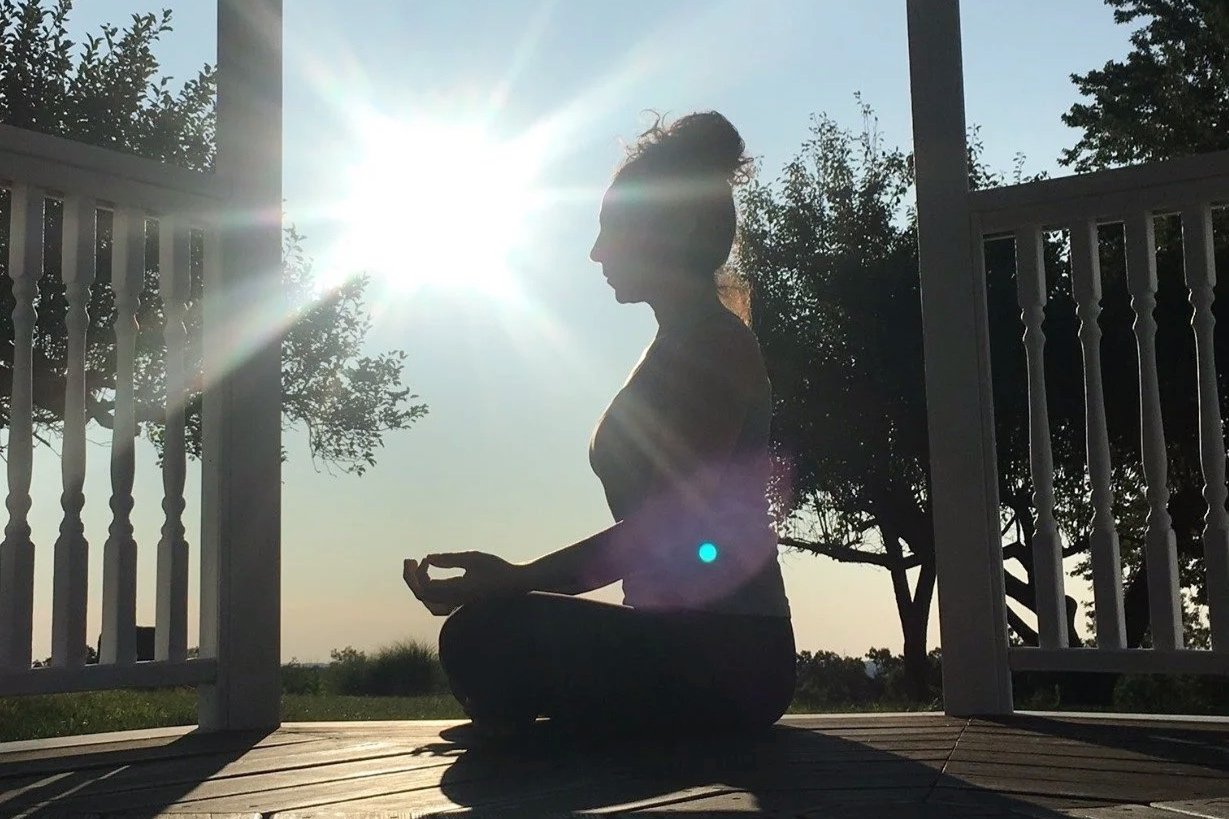
Meditation is not always sitting still and with no thoughts!
Although that is one style of meditation it takes a long time and a lot of practice and effort to achieve that - if that is your intention. For most of us, meditation is simply the practice and art of being with “ what is” in each moment. Meditation can be taking each experience exactly how it is, working with your body to understand and feel what information the nervous system is relaying from outside in and from inside out. Part of the practice is learning how to sit with discomfort, knowing when to act on your own behalf to address or access it, and how to self soothe/support when you need comfort from discomfort or stressful experiences. Every practice counts whether it is as short as a single breath or for many minutes. Meditation practices retrain the neural pathways in your brain to handle stress, thoughts, emotion, and outside experiences more effectively. How do you know when the meditation practices are working? Use the example of spilling a drink, before meditation you may have gotten really upset, yelled, got angry, and after consistent meditation practices you may have a lowered response, perhaps disappointment, or maybe you might laugh it off. Try these practices out on your own safely at home and in your daily life and see how your stress responses shift over time and practice!
Walking as Meditation
Sometimes sitting still feels impossible — and that’s okay. A gentle walk outside can be one of the most grounding meditation practices we have. As you move, notice your feet touching the ground and the rhythm of your steps. Let your breath match your pace. Feel the air on your skin and look around you: colors, textures, light. If your thoughts start to wander, simply come back to the feeling of your feet meeting the earth. This simple awareness helps calm the nervous system and remind the body that it’s safe to be here, now.
2. Listening to the Sounds Around You
For those who find silence uncomfortable, listening can be a compassionate way to practice presence. Sit or lie down somewhere comfortable and close your eyes if that feels okay. Notice the layers of sound around you — the hum of a heater, a bird, distant traffic, your own breath. There’s no need to label or analyze what you hear — just let sound move through you like waves on a shore. This kind of open listening helps quiet the mind and reestablish a sense of connection with the world around you.
3. Simple Breathing Practice for Calm
The breath is our anchor — always available, always changing with us. Try this: breathe in slowly through your nose for a count of four, hold gently for a moment, and exhale through your mouth for a count of six. Feel your shoulders drop as you release the breath. Even two minutes of this “long exhale” practice can help lower stress hormones and support the body’s natural relaxation response. You don’t need to force stillness — just let your breath lead you there.
4. Hand-to-Heart Grounding
When anxiety or overwhelm rises, bringing touch into meditation can help the body feel safe again. Place one hand on your heart and one on your belly. Notice the warmth of your hands and the rise and fall of your breath beneath them. You might say quietly to yourself, “I am here,” or “I am safe right now.” This simple act of connection helps the nervous system regulate and can be done anywhere — before class, in your car, or before sleep.
5. Everyday Moments as Mindfulness
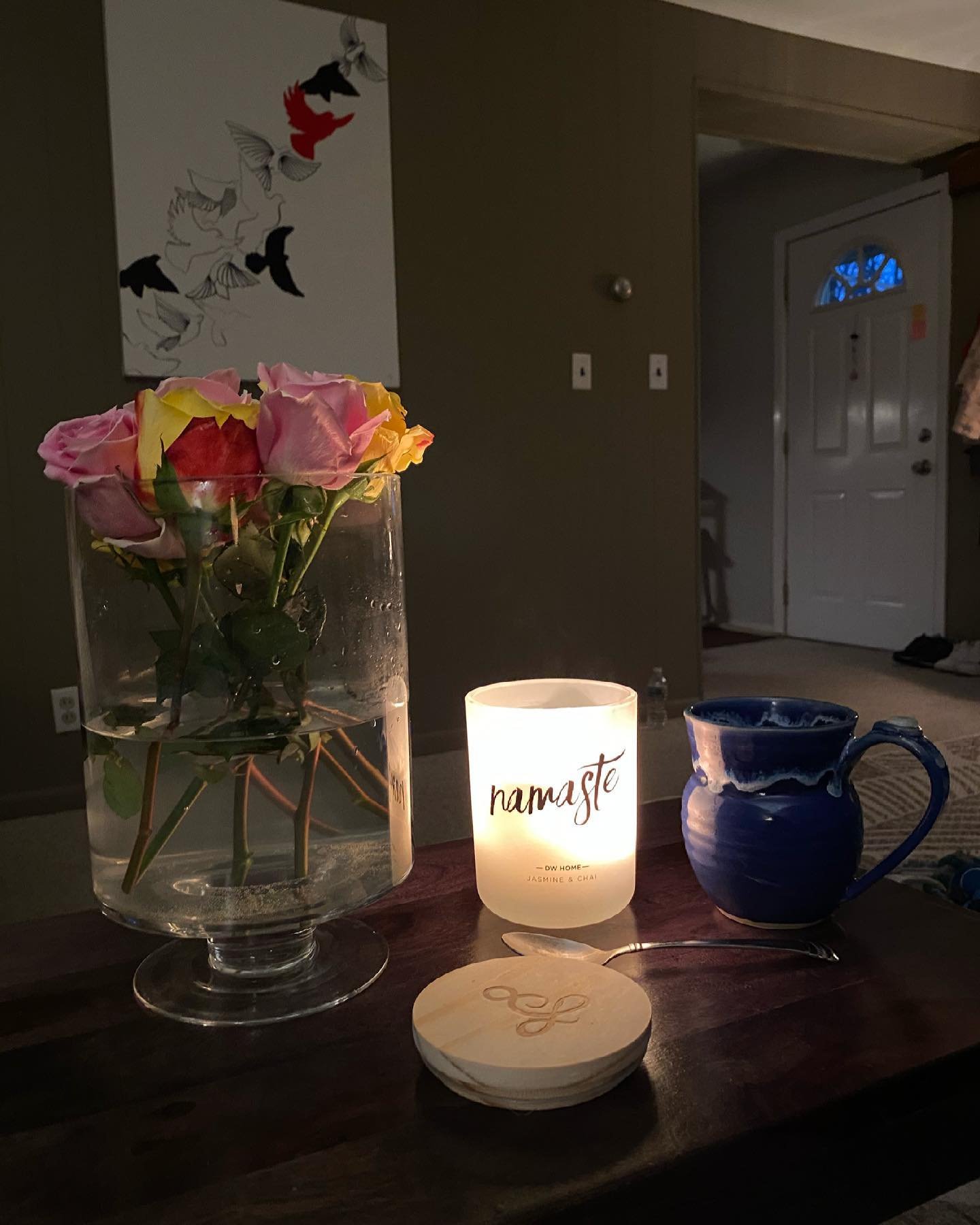
You don’t need a special cushion or quiet room to meditate — you just need presence. Try choosing one daily activity, like making tea, washing your hands, or lighting a candle, and let it become a moment of mindfulness. Slow down. Feel the temperature, notice the scent, and breathe. Even thirty seconds of intentional awareness can shift your entire day. Meditation isn’t about escaping life — it’s about coming home to it, one moment at a time.

Animals are masters at meditation! It may be just closing eyes, being in the moment and taking time to feel and sense the world around them!
Meditation is not about being perfect, having no emotion, never getting upset or sad.
We were designed to feel the entire range of emotions as human beings. The end game of meditation is to practice feeling everything without shame or blame and establishing and returning to a well regulated nervous system. If it takes days for you to process a challenging experience, with meditation over time that length of processing time may shorten to hours, even minutes. As you develop strategies that resonate with who you are and how to integrate practices that weave easily into daily life you’ll build your resiliency tool box. The idea is to cultivate many different mediation and well being strategies to navigate stress when it arrives and return to your self, centered, empowered and present. We can’t stop stress from happening, in many cases stress is really helpful when you need to get things done! Our practice is learning to recognize when you are having a stress response and what you can do, where you are with tools available to you in that moment to self support.